Why Every Dota 2 Tier List Feels Like a Roller Coaster?
Honestly, trying to keep up with the Dota 2 meta is like chasing a Water Rune in the river – it’s fast, slippery, and the second you think you’ve got it, a new patch drops and everything’s wet again. We just got over the dust settling from 7.35, and bam! Valve hits us with a letter patch, 7.35d, making us all scramble. You know what? That’s what makes this game so addictive. See, a Dota 2 tier list isn’t just a list of names; it’s a snapshot of the current ecosystem. It reflects which heroes synergize best with the latest items, map changes, and general philosophy of the game right now.
For 7.35d, what we’re seeing is a subtle but clear shift. Heroes that were dominating the early game got little nudges down, while some solid, consistent heroes are creeping their way up the rankings. It’s all about consistency and impact – can your hero win the lane and keep the momentum rolling into the late game? If they can, you’ve got a Tier S contender on your hands.
This patch has been really interesting in how it’s affected professional play, too. Watching tournaments like PGL Wallachia has given us some incredible insights into what the big brains in Dota are prioritizing. We’ll get into that in a bit, but for now, let’s look at the criteria.
What Even Is a Tier List, Anyway?
Before we start throwing around S, A, and B, let me explain what those letters even mean here. This isn’t just about the hero with the highest win rate in the Archon bracket, though that helps. It’s a mix of a few things:
- Pub Dominance: How easily can this hero snowball and carry a typical ranked game, especially solo? High pick rate + high win rate = serious contender.
- Professional Viability: Are the pros picking or banning this hero in high-stakes matches? If a hero is contested a lot, it means they’re a huge strategic threat, regardless of their pub win rate.
- Versatility: Can the hero be played in multiple roles (flex pick)? Can they build different items to suit the game? Heroes that are hard to counter are always strong.
It’s like building a high-end gaming PC: all the components – the hero’s abilities, their laning strength, their scaling-need to work together smoothly for maximum performance. If one piece is suddenly stronger (a buff) or weaker (a nerf), the whole setup changes.
| Tier | Meaning | General Advice |
| S | Super-Powered/Superior: The absolute top-tier. These heroes can dictate the pace of the game from minute one and scale beautifully. They feel overtuned. | Pick ’em if you can! They’re worth the risk of a counter-pick. |
| A | Awesome: Strong, reliable picks. They fit into many lineups and are great options when S-Tier heroes are banned or already picked. | Excellent choices for climbing MMR. |
| B | Balanced/Solid: Decent, workable heroes. They often require a specific draft or greater skill to truly shine. They’re not bad, but they aren’t auto-wins. | Good for players who main the hero, but don’t pick them blindly. |
| C | Challenging: Situational picks. They struggle against the current meta favorites and usually have significant weaknesses. | Avoid unless you’re a specialist or the situation is perfect. |
The All-Important Dota 2 Tier List for Patch 7.35d
Okay, let’s get to the good stuff. Remember that these placements are my best estimate based on current pro-play trends and the latest pub data from the high-MMR trenches. And honestly, Dota is Dota – anything can work, but these are the heroes making it easy right now.
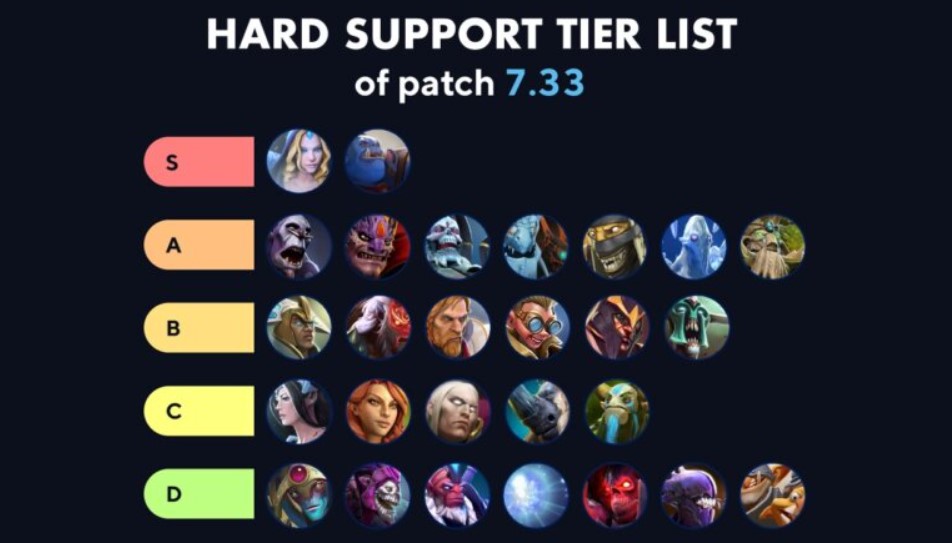
S-Tier: The Meta Gatekeepers (Who Needs Balance?)
This is where the real powerhouses sit, the heroes you see first-picked or first-banned. If you want to gain MMR, these are your gold mines:
- Morphling (Carry/Mid). This guy is just too flexible. The hero’s ability to shift attributes with Morph gives him insane survivability and damage output. Plus, the Aghanim’s Shard on his Waveform? It lets him dispel and hit like a truck. When an S-Tier carry like Morph is hard to kill and can hit you for 1000 damage in the late game, what are you supposed to do? It’s miserable to play against.
- Centaur Warrunner (Offlane). Centaur is an absolute beast right now. He’s tough in the lane, has great stun/slow with Hoof Stomp and Double Edge, and his ult, Stampede, is one of the best team fight initiators in the game. That high win rate in pro play wasn’t an accident. He just feels unkillable after a few items.
- Shadow Demon (Support). Seriously, this support is everywhere. His Disruption ability is just a top-tier spell, letting him save an ally or set up a brutal initiation. The Soul Catcher damage amp is huge. Plus, he’s great at clearing creep waves and catching up on necessary support items. He’s the definition of a high-impact, low-resource support.
You see the trend here? It’s about heroes who are great at surviving, initiating, or just straight-up blowing people up.
A-Tier: Reliable & Strong (The Workhorses)
These heroes are all fantastic and you’ll win a ton of games with them. They might have a slightly higher counter-play potential than S-Tier, but they are incredibly solid picks:
- Lifestealer (Carry). Naix is back, baby. He’s always been great against strength heroes, but with the buffs to Radiance and his sheer farming speed, he’s a terror. Open Wounds with the Shard makes him a great gap closer, and Infest makes him a nasty surprise. He shrugs off magic damage and just keeps hitting you.
- Axe (Offlane). The spin-to-win hero. Axe is one of those classic heroes who never truly leaves the meta. He has a great lane presence, and a good Blink Dagger + Call combo can win a team fight instantly. The Culling Blade buff giving him armor upon a kill just makes him a snowballing nightmare. Honestly, who hasn’t rage-quit after getting Culling Bladed for the tenth time?
- Rubick (Support). Rubick is the ultimate wildcard. His own abilities are strong-Fade Bolt is great harass-but his true power is his ultimate: Spell Steal. If the enemy team has a good Chronosphere, Black Hole, or Ravage, Rubick can turn the fight on its head. He’s probably the highest skill-ceiling hero in A-Tier, but the payoff is so worth it.
- Phantom Assassin (Carry). She’s still that random crit monster, even after all the subtle tweaks. Blur helps her farm safely, and a well-timed Coup de Grâce can end a squishy support’s life instantly. She’s great for pub stomping, but she needs a little more time and space to get online than some other carries.
B-Tier: Good Enough (Skill-Dependent Picks):
- Pangolier (Mid/Offlane): A great hero, but he takes a steady hand. Swashbuckle and Rolling Thunder are amazing, but they can be tricky to land. He’s often a high-priority pick/ban in pro play because of his disruptive potential, but in pubs, if your Pango player messes up that ultimate, it can lose you the fight.
- Dragon Knight (Mid/Offlane): DK is consistent. He’s one of the best tower pushers and lane sustainers in the game. He’s safe. He’s solid. He just isn’t flashy. He makes the B-Tier because he’s a fantastic, reliable anchor, but he doesn’t have the “I win the game now” potential of an S-Tier hero.
- Disruptor (Support): A phenomenal position 5. Glimpse is still one of the most annoying spells in Dota. It literally sends you home! Kinetic Field and Static Storm shut down team fights better than almost anything else. So why B-Tier? Because he can feel a little weak if your cores don’t follow up on his excellent setup.
Digging Deeper: The Carry Conversation
The carry role in 7.35d is fascinating. We’ve got two main camps: the ultra-hard-scaling hyper-carries and the early-game brawlers.
Take a look at Morphling and Lifestealer. They’re both fantastic, but for totally different reasons. Morph is the high-risk, high-reward investment. He can instantly delete himself if he gets caught, but if he gets an uninterrupted 20 minutes of farm, the game is basically over. Lifestealer, however, is a brawler. He thrives on fighting early and often, especially against the popular offlaners like Centaur and Axe.
It’s a subtle but important difference in drafting. If you have a team that wants to fight early, you need that Lifestealer or maybe a Razor. If your team is geared toward surviving and stalling, Morphling is the perfect time bomb.
Meta Carries: Who’s Hot and Who’s Not?
| Hero | Role | Why They’re Strong Now | The Catch |
| Morphling | Carry/Mid | Incredible attribute shifting, high damage, Shard makes him elusive. | Highly susceptible to burst magic damage and mana burn early on. |
| Lifestealer | Carry | Magic immunity, excellent sustain, counters popular strength offlaners. | Needs to secure an early lead; gets kited if he falls behind. |
| Luna | Carry | Great farming with Lucent Beam, pushes like a monster, huge team damage. | Very squishy, needs strong support to keep her safe in the lane. |
Honestly, Luna is a great example of a hero who’s consistently A- or B-Tier. She gets her items, she pushes, she fights – but she’s fragile. She’s the glass cannon of the high-tier carries, and sometimes, you need that.
Offlane & Support in Dota 2 Tier List: The Backbone of the Game
Mid and Carry get all the glory, but the Offlane (Position 3) and Supports (Positions 4 and 5) win the lanes and decide the flow of the mid-game. The current meta heavily favors initiators and disablers who can also survive a beating.
That’s why Centaur is so darn good. He’s a walking wall of hit points who can instantly engage or disengage his entire team. Similarly, the fact that Shadow Demon is so highly contested in pro play shows just how important saving your carry or disabling a key enemy is. This isn’t a passive farm-for-40-minutes meta; it’s a brawling meta. You need to be ready to throw down.
The thing is, if your supports aren’t keeping up the pressure, your S-Tier carry will be just as useless as a C-Tier pick. We all forget that sometimes. We only look at the fancy carry K/D/A, but who stacked that camp? Who sacrificed themselves for the save? That’s support life.
The “Hidden Gems” (Heroes Flying Under the Radar)
Not everyone can be S-Tier, but there are always those one or two heroes who just feel right in the patch, even if the general data hasn’t caught up:
- Beastmaster (Offlane): This guy is a lane dominator who can push towers and provide critical vision with his summoned creatures. Primal Roar is a BKB-piercing stun. He’s a one-man wrecking crew, especially with an Aghanim’s Scepter build. You just see fewer people playing him, and I honestly don’t know why – he’s a guaranteed menace.
- Venomancer (Support/Offlane): Veno is just annoying, which is exactly what you want from a support or an offlaner. He forces the enemy carry to buy dispels like Manta Style, and his ultimate, Poison Nova, can absolutely ruin a team fight. He does so much with very little gold, which is the perfect quality for a Position 4 or 5.
If you’re sick of the meta picks, honestly, give one of these guys a shot. Sometimes, an unexpected pick is the best strategy.
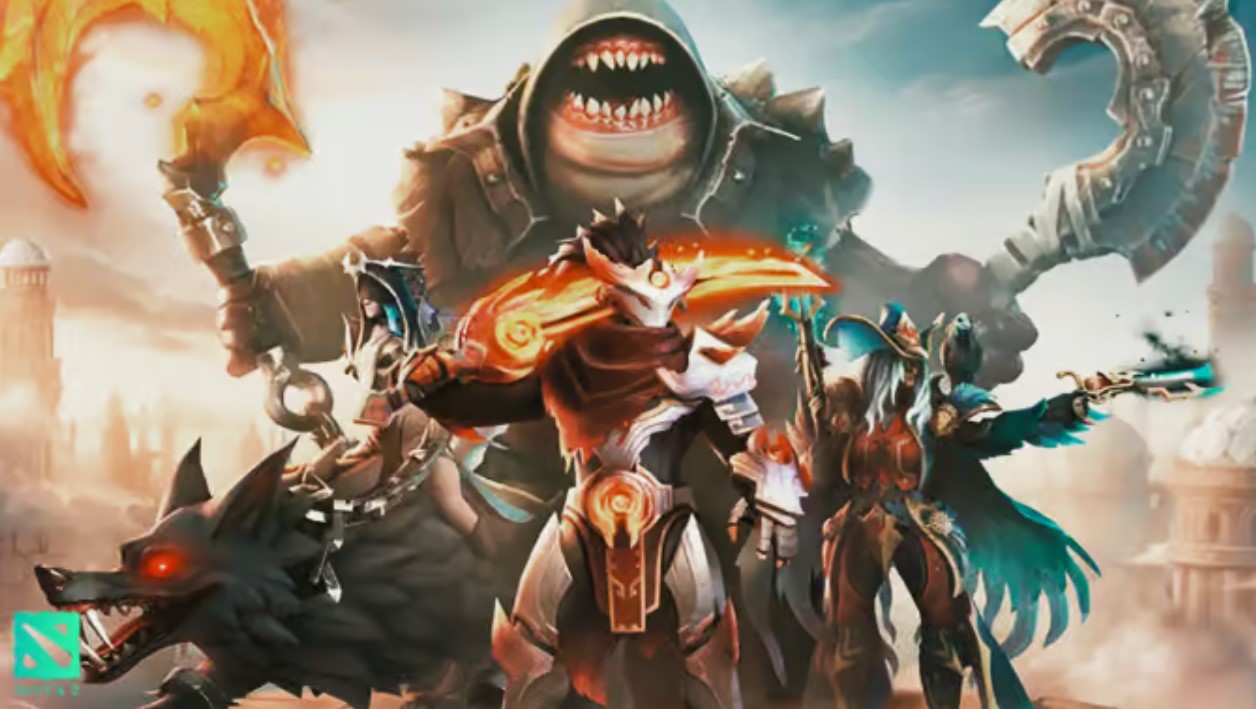
My Personal Dota 2 Tier List: Positional Breakdown
I think it helps to look at heroes by their intended role, because comparing a support to a carry is like comparing apples to a new pair of gaming headphones-they’re both great, but they do totally different things.
| Role | S-Tier | A-Tier | B-Tier |
| Carry (Pos 1) | Morphling, Faceless Void | Lifestealer, Luna, Phantom Assassin | Troll Warlord, Gyrocopter |
| Mid (Pos 2) | Leshrac, Invoker (Skilled) | Zeus, Queen of Pain, Storm Spirit | Pangolier, Dragon Knight, Shadow Fiend |
| Offlane (Pos 3) | Centaur Warrunner, Axe | Mars, Tidehunter, Beastmaster | Sand King, Timbersaw |
| Soft Support (Pos 4) | Earthshaker, Hoodwink | Rubick, Shadow Demon, Enchantress | Tiny, Bane |
| Hard Support (Pos 5) | Crystal Maiden, Disruptor | Chen, Lion, Vengeful Spirit | Warlock, Treant Protector |
Remember, this table is a general guide and subject to change when the next letter patch drops!
But There’s a Catch… It’s Still Dota 2
I’ve just spent all this time giving you a Dota 2 tier list, but here’s the honest truth: tier lists aren’t everything. They’re a roadmap, not the law.
The thing is, Dota is a game about counters and execution. An S-Tier Morphling can be utterly shut down by a well-played Ancient Apparition or a smart Diffusal Blade pickup on an enemy core. A C-Tier hero played by a specialist who knows their hero inside and out will always, always, beat an S-Tier hero played by someone who just copied the first Dotabuff guide they saw.
Skill matters more than the tier. If you’re truly comfortable on a hero, and you know their timings, their item builds, and their matchups, then that hero is S-Tier for you.
So, don’t let a tier list make you abandon your favorite hero. Maybe you’re a Tinker loyalist-the hero might be B-Tier right now, but if you have a 70% win rate on him, who cares what a list says? Keep playing what you’re good at, but here’s what I found: sometimes, picking a few A-Tier heroes for your pool can help you break a long losing streak. It’s like having a trusty, reliable car when your sports car is in the shop-it gets the job done, no fuss.
Ultimately, the best heroes are the ones that let you have fun and win. If you’re not having fun, what’s the point of playing? Right?
FAQ
How do I figure out what tier a hero is for my specific MMR bracket?
Honestly, the official MMR data sites are your best friend here. If a hero has a 55%+ win rate in your bracket with a decent pick rate, they’re S-Tier for you. Lower-MMR games often favor simple, high-impact heroes like Wraith King or Zeus more than high-skill heroes like Invoker or Meepo.
Did the map changes affect the tier list much this time?
Definitely. The Twin Gates and the new neutral items cycle continue to emphasize mobility and early-to-mid-game fighting. Heroes who can quickly rotate or who benefit heavily from the new neutrals (like Iron Talon) got a little boost, even if it wasn’t a direct hero buff.
What are some good core heroes for solo ranked this patch?
I’d recommend Lifestealer for carry, Zeus for mid, and Centaur Warrunner for offlane. They are all relatively simple to execute, are very forgiving, and have a clear game plan that doesn’t rely too heavily on your team’s coordination.
Is the Universal hero type still really strong?
Yes, absolutely. Universal heroes like Pangolier and Void Spirit scale uniquely well with all-attribute items (like Manta Style, which is an evergreen item, by the way) and can become absolute monsters. They are still top picks and bans.
Who is the strongest hard support (Pos 5) right now?
It’s tough to beat Crystal Maiden or Disruptor right now. CM is just too good in the early game with her aura and her frostbite setup. Disruptor’s Glimpse and Static Storm are amazing team fight tools that don’t need a lot of gold. They are the definition of high-value support.
My main hero, Anti-Mage, seems weaker. What gives?
Anti-Mage is a hero who needs a ton of space and time to farm, and this patch favors earlier fighting. He’s not bad, but he’s a huge commitment, and if your team is constantly losing brawls before you have Manta/Basher, you’re in for a rough time. He’s an A-Tier hero that’s tough to pull off in a fast-paced meta.
Is there a hero I should absolutely avoid picking?
It changes all the time, but generally, heroes with overly niche roles or extremely high dependency on one specific item that isn’t meta right now are tough. Look for heroes with very low win rates (under 45%) across all brackets, especially if they haven’t been touched by recent patches.
Time to Hop in the Queue
So, there you have it-a full rundown of the Dota 2 tier list for the current patch. Whether you’re a support player hoping to finally hit Immortal or a carry main trying to figure out which hero to master, I hope this helps you out.
Go ahead and try one of the S-Tier heroes like Centaur or Shadow Demon and feel the power of the meta. But seriously, don’t let this turn into homework. Dota is meant to be fun. Pick a hero you enjoy, learn their ins and outs, and here’s how it works: your MMR will follow.
To show your support for our work, please share this post across your social media channels and make sure to bookmark it for future reference. For those interested in exploring creative projects or commercial partnerships, you are welcome to contact the Rover SD team directly. Your online engagement and direct inquiries are invaluable to our continued growth and collaborations.